
Good design is about more than aesthetics.
A beautifully designed room should absolutely be visually compelling, but the best interiors do something deeper. They help us exhale. They support the way we live. They create a sense of ease, comfort, and connection that you can feel the moment you walk in.
That is one of the reasons biophilic design continues to resonate so strongly with me.
At its core, biophilic design is about strengthening our connection to the natural world within the built environment. It is not a trend and it is not simply about adding a few plants to a room. It is a design philosophy grounded in the idea that people feel better in spaces that reflect the rhythms, textures, colors, and qualities of nature.
When thoughtfully integrated, these principles align beautifully with what I believe makes a home truly well designed.
Here are a few of the ideas that connect biophilic design with my own definition of good design.
Natural light as a design priority
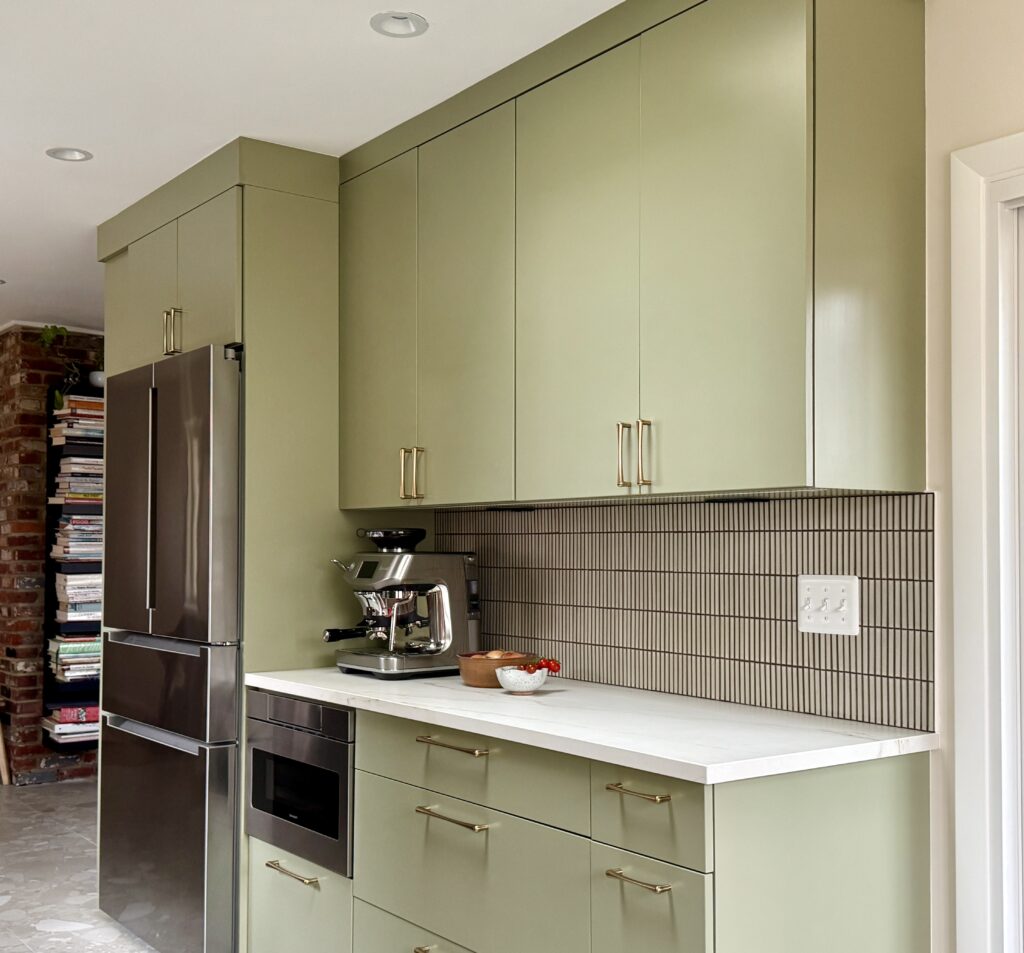
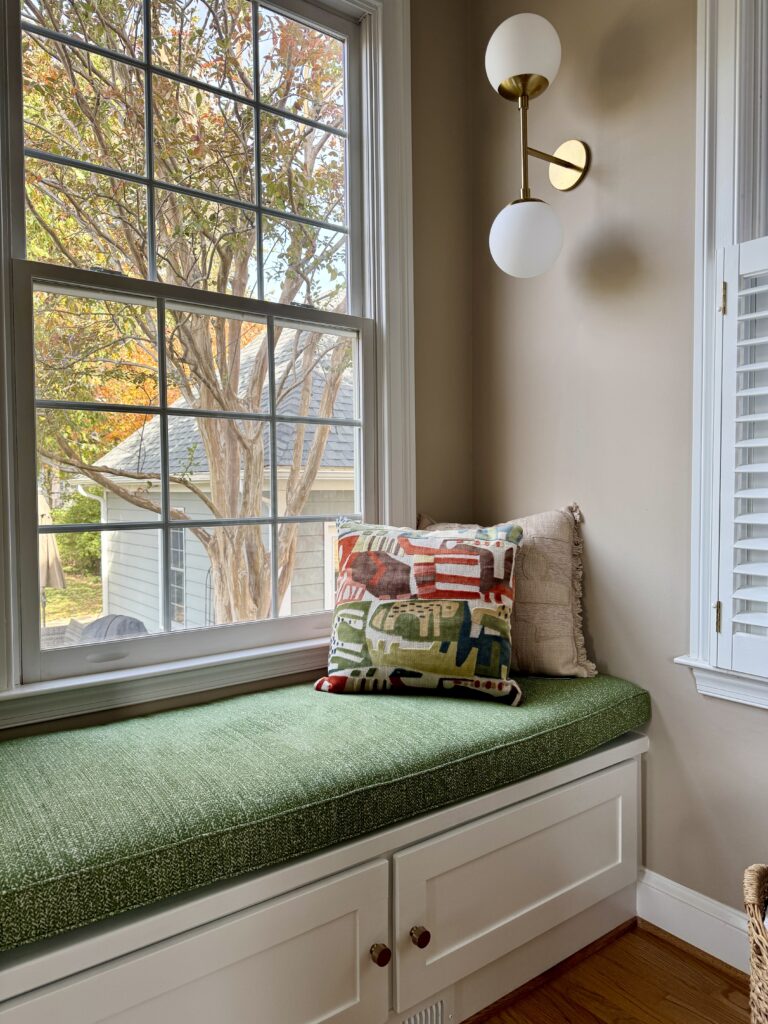
Light shapes everything. It influences the mood of a room, the way colors are perceived, and the overall emotional tone of a space. One of the clearest connections between biophilic design and good design is the prioritization of natural light. Rooms that feel bright, layered, and responsive to the time of day tend to feel more inviting and more alive.
In my work, lighting is never an afterthought. It is one of the foundational elements of a successful space. A well-designed home considers how light moves through each room and how that light can enhance both beauty and function.
Of course, not every room is flooded with natural light, and even the brightest spaces need thoughtful illumination once the sun goes down. That is where layered lighting becomes essential. Ceiling lights provide overall illumination and help anchor the room, especially in spaces where daylight is limited. Sconces add softness and dimension, drawing the eye around the room and creating a warmer, more intimate feeling. Table lamps and floor lamps bring light closer to where you actually live, whether that is reading in a chair, winding down in a bedroom, or creating a cozy glow in a living room at night.
Good lighting should feel intentional, not harsh or flat. It should support the way a room functions while also making it feel beautiful and welcoming. I think of lighting as a way to bring balance to a space. During the day, that may mean making the most of every bit of natural light. In the evening, it means creating layers of illumination that feel calm, flattering, and comfortable. When ceiling fixtures, sconces, and lamps all work together, a room feels more complete, more functional, and much more emotionally resonant.
Organic materials that add warmth and depth
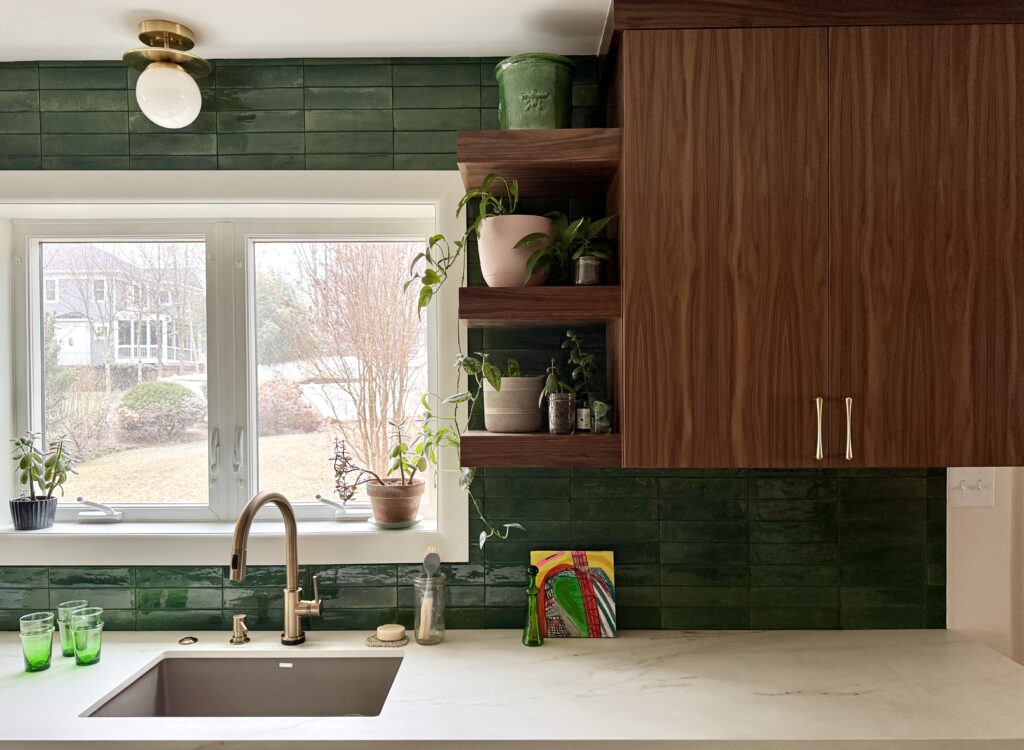
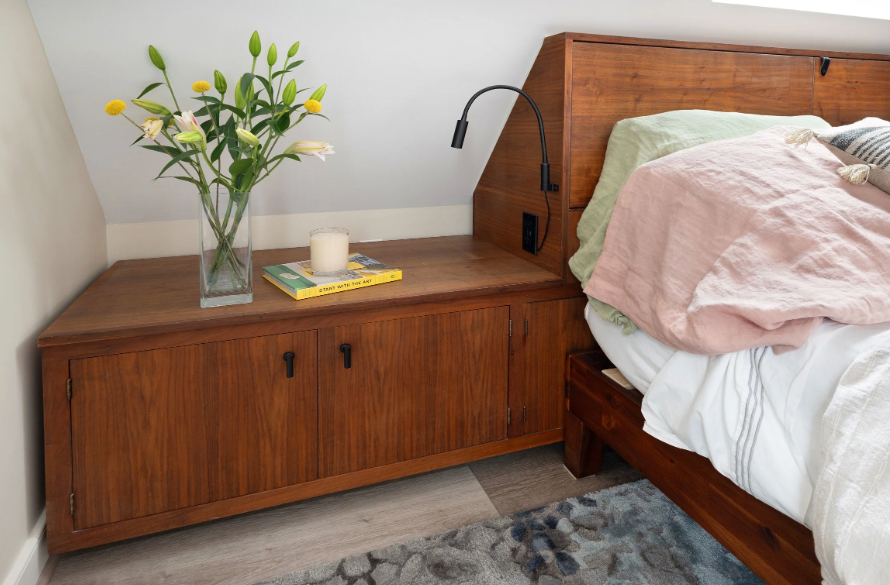
Biophilic interiors often draw from materials that feel grounded and authentic. Wood, stone, linen, wool, clay, rattan, and other natural finishes bring a richness that is hard to replicate.
These materials do more than make a room look elevated. They add soul. They create visual depth, tactile interest, and a sense of permanence. They help a home feel rooted rather than overly polished or impersonal.
To me, this is one of the hallmarks of good design. The most memorable spaces are layered and textured. They feel collected, not flat. They invite you in rather than simply impressing from a distance.
Color palettes inspired by the natural world
Nature offers one of the most sophisticated color palettes there is.
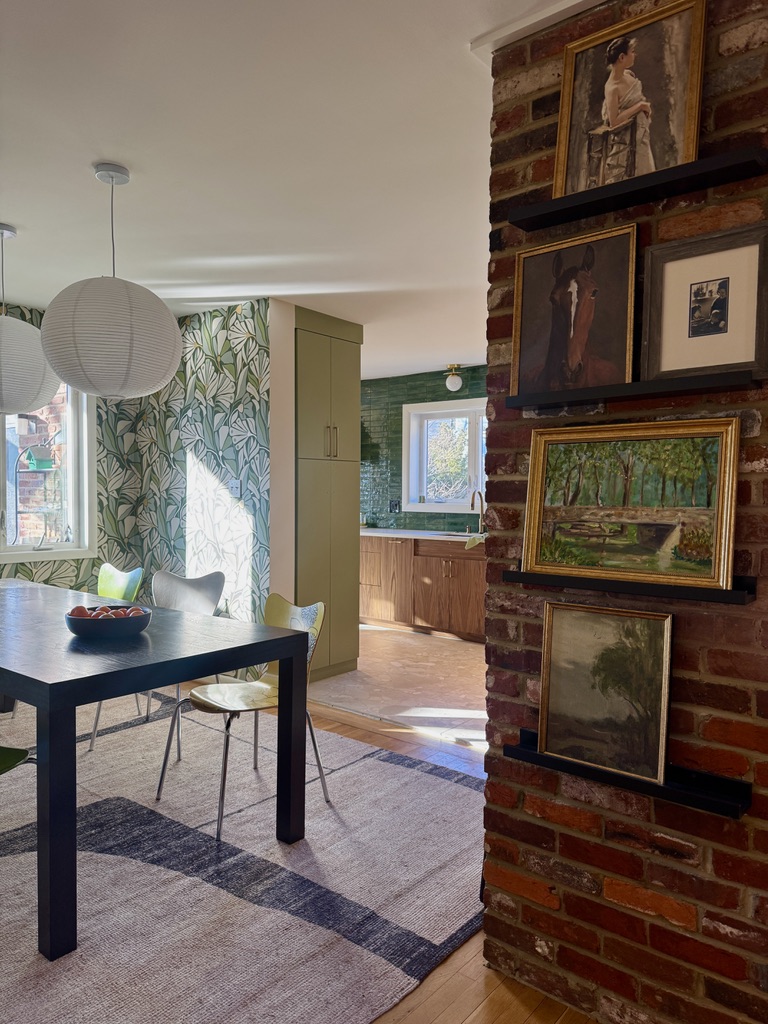
Earth tones, greens, soft blues, warm neutrals, mineral shades, and deeper organic hues all have a way of creating calm while still feeling rich and nuanced. These colors do not compete for attention. They support a room’s atmosphere.
Biophilic design reminds us that color is not just decorative. It is experiential. It shapes the emotional quality of a space.
That idea has always been important to me. I love using color with intention, whether that means creating a quiet, grounded feeling or introducing a more saturated moment that adds energy and personality. The goal is always the same: to make the room feel complete and deeply connected to the people living there.
A layered sensory experience
The best rooms are not one-note. They engage us in subtle, meaningful ways.
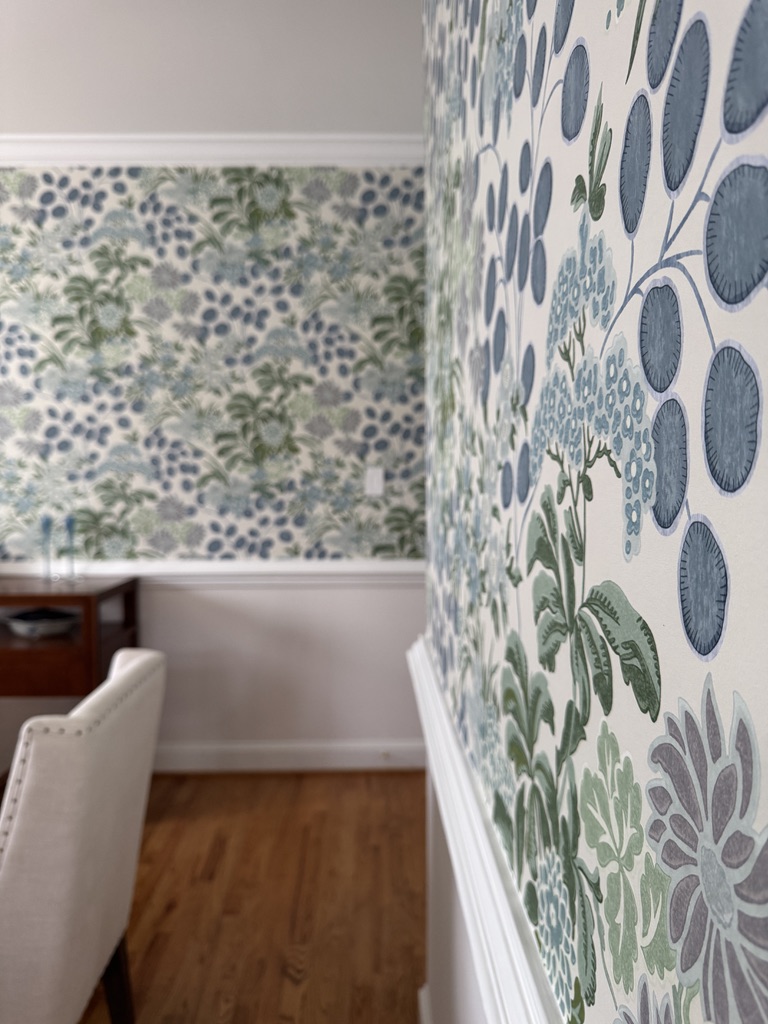
Biophilic design embraces this through texture, movement, softness, contrast, and material variation. It recognizes that our experience of home is sensory. We respond not only to what we see, but also to how a room feels.
This is where good design becomes especially powerful. A space with depth and sensory richness feels more comforting, more welcoming, and more human. Think of the quiet softness of natural textiles, the visual movement of a patterned wallpaper inspired by organic forms, or the grounding presence of a substantial wood table. These choices work together to create an environment that feels restorative.
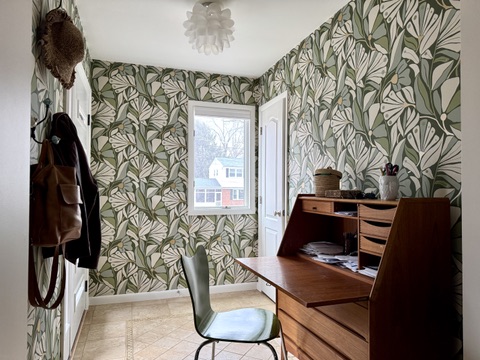
A connection to living elements
One of the most recognizable expressions of biophilic design is the inclusion of living elements, especially plants and greenery.
But what matters most is not the accessory itself. It is the feeling of life and vitality that these elements bring to a space. A home that reflects the living world often feels fresher, softer, and more connected.
This idea aligns naturally with my approach to interiors. I often think about how to bring the outside in, whether through color, texture, materials, views, or actual greenery. These choices help a room feel dynamic and grounded at the same time.
Spaces that support well-being
This may be the most important connection of all.
Biophilic design is rooted in wellness. It asks us to think beyond surface-level beauty and consider how a space supports daily life. Does it feel calming? Restorative? Comfortable? Does it help people gather, focus, recharge, and feel at home?
That is exactly what good design should do.
A well-designed home should not only reflect your taste. It should support your life. It should feel intuitive and deeply personal. It should offer beauty, yes, but also a sense of refuge.
Art, nature, and emotional connection
Art also plays an important role in this conversation.
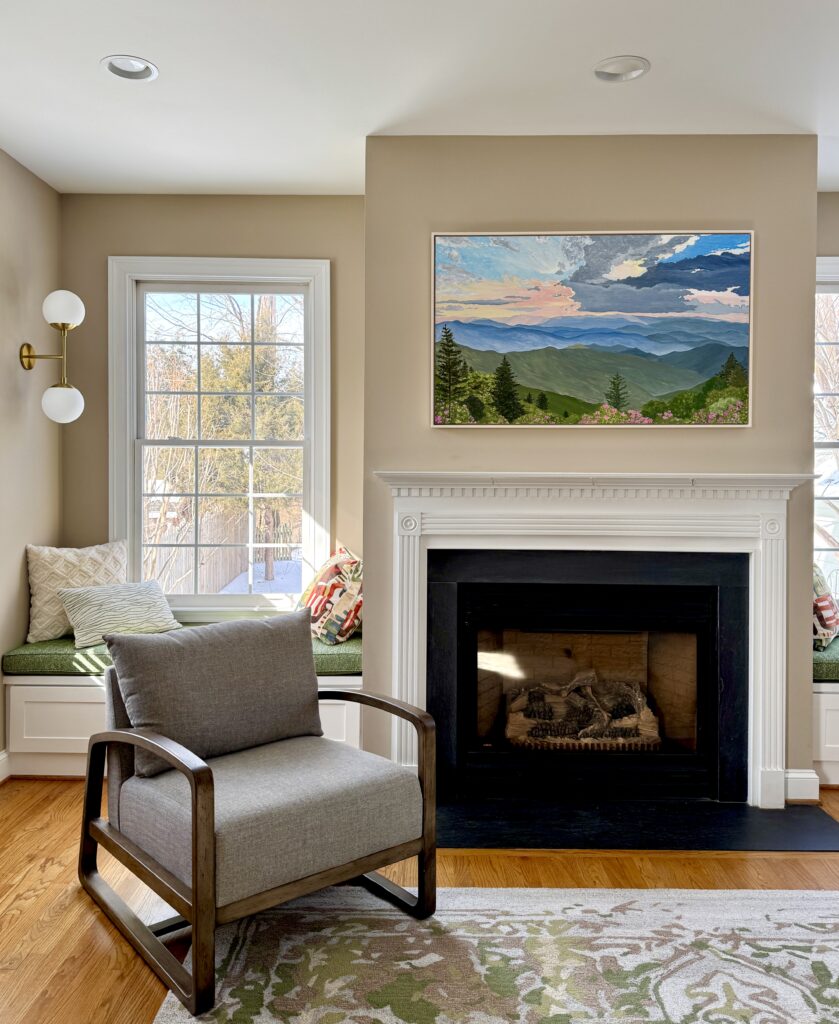
Original artwork, especially pieces that reflect movement, landscape, organic form, or natural color relationships, can deepen the emotional resonance of a room. Art brings individuality and story, which are essential to any home that feels truly alive.
In many ways, biophilic design and art-forward design share common ground. Both invite us to slow down, to notice, and to connect emotionally with our surroundings. Both remind us that beauty is not superficial. It is something we experience physically and emotionally.
Good design should feel alive
For me, biophilic design is compelling because it reinforces something I have always believed: good design should feel alive.
It should connect us to beauty, to comfort, to nature, and to ourselves. It should create rooms that are not only visually refined, but deeply supportive of how we want to live.
When those elements come together, a home becomes more than well decorated. It becomes restorative, meaningful, and lasting.