
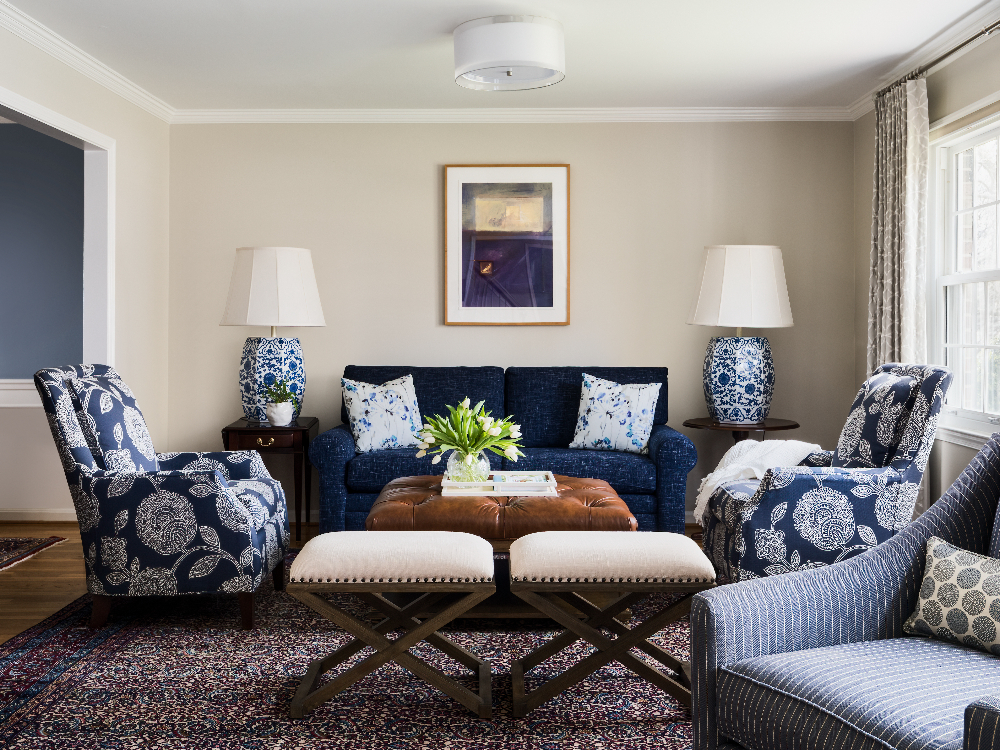
Before anyone sits on the sofa, runs their hand along a stone countertop, or notices the subtle weave of a rug, they feel something about a room. Calm. Warmth. Ease. A sense of being grounded. That response happens almost instantly, and it has very little to do with furniture alone.
It has everything to do with texture.
Texture is the quiet, often unspoken language of interior design. It shapes how a space feels long before it is consciously noticed. Most people cannot name it, but they absolutely feel the difference when it is done well.
Texture Is Emotional, Not Decorative
Texture is not about adding more things to a room. It is about shaping experience.
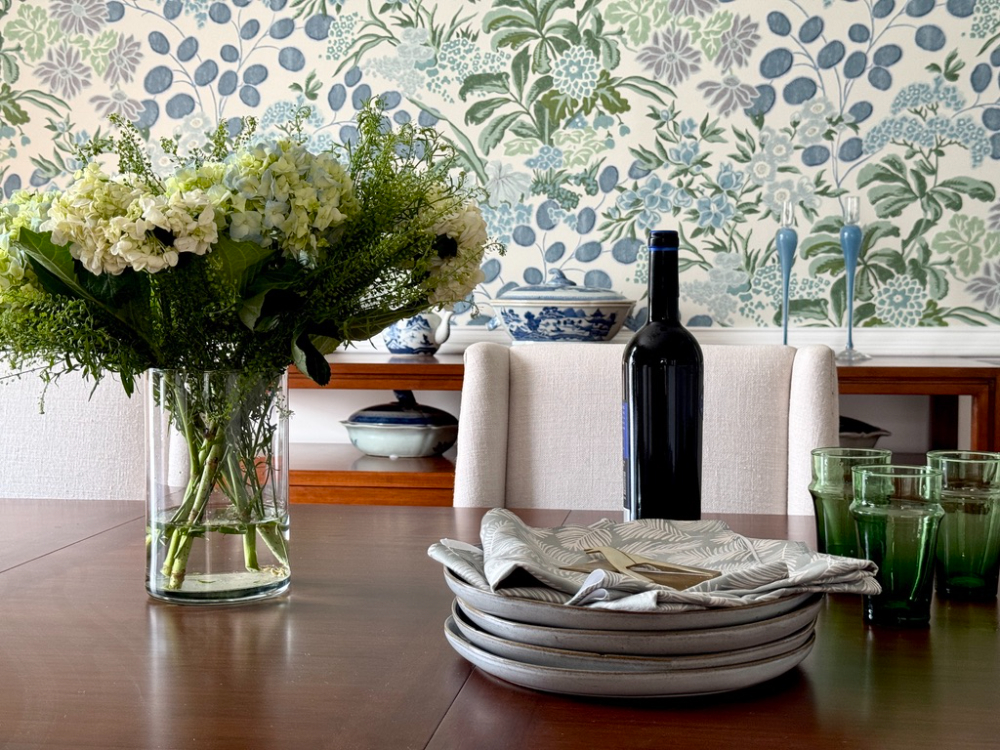
A space filled only with smooth, flat, polished surfaces can feel cold or unfinished, even when the design is technically beautiful. A room layered with varied textures feels balanced and human. Soft against structured. Matte against reflective. Organic against refined.
This is what creates comfort without clutter and luxury without excess.
The Layers You Feel, Even If You Cannot Name Them
When I design a room, I am thinking about texture from the very beginning, often before specific furnishings are selected.
Soft and Structured
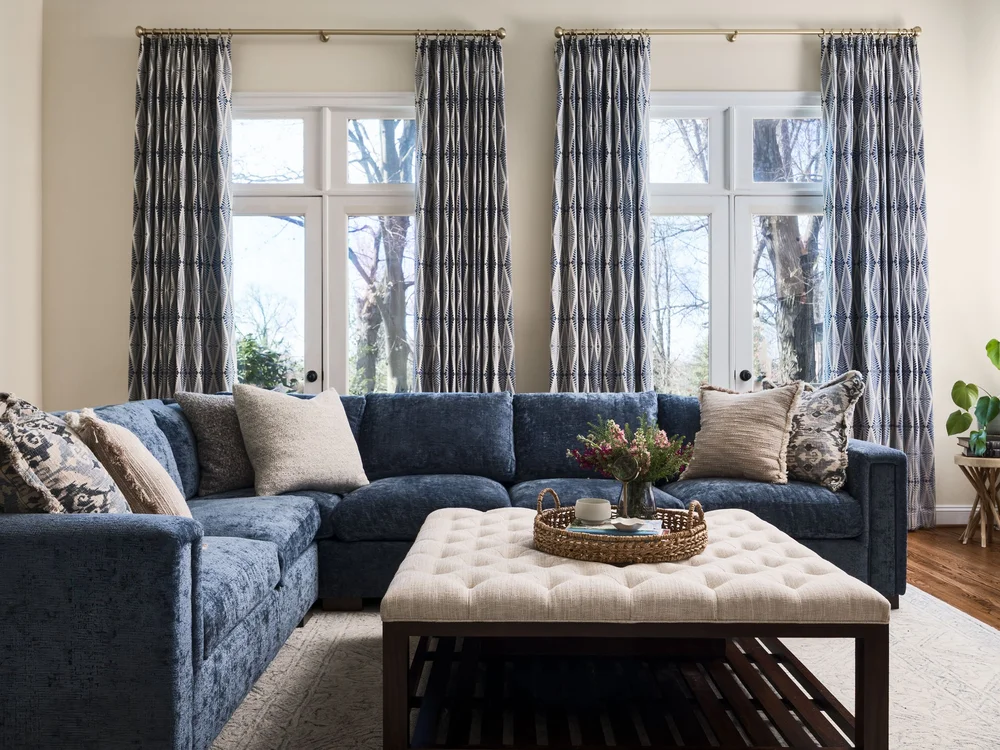
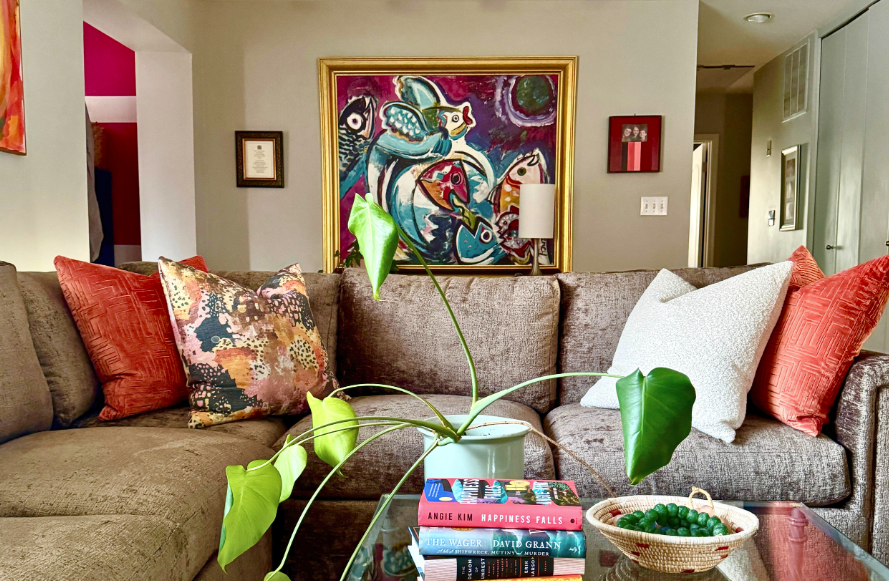
Every room needs contrast. A tailored sofa becomes more inviting when paired with relaxed linen or wool pillows. A structured dining chair feels more comfortable when grounded by a rug underfoot. These relationships soften a space while keeping it intentional.
Natural and Refined
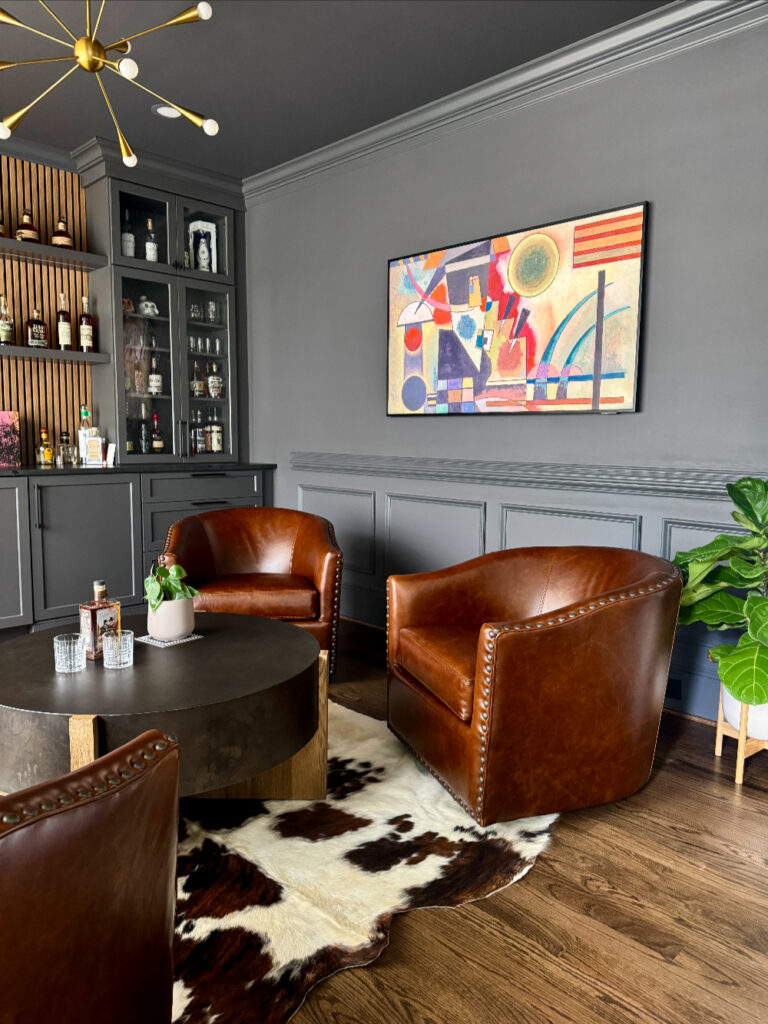
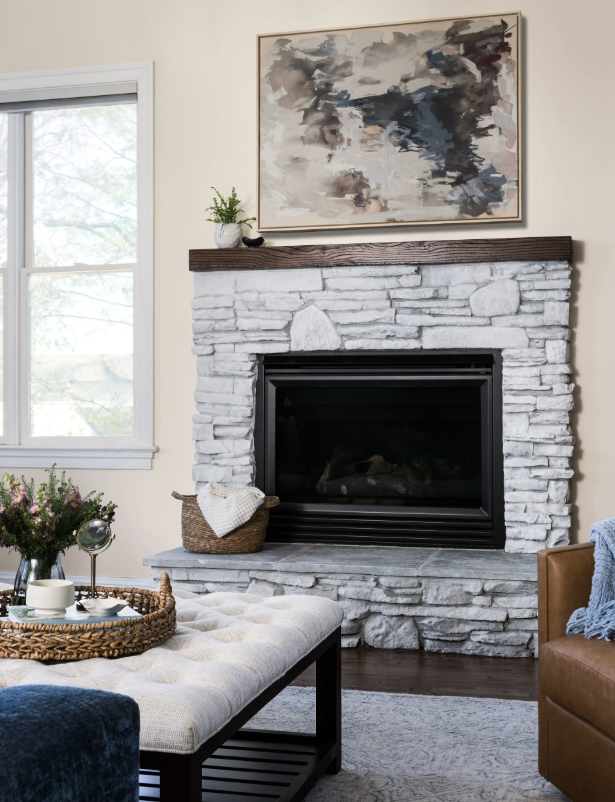
Natural materials like wood, stone, leather, and plaster bring warmth and grounding. When they are paired with refined finishes such as polished metal, tailored upholstery, or lacquered surfaces, the room feels elevated but still approachable.
This balance is what many clients describe as quietly luxurious, even if they cannot quite explain why.
Visual Texture and Tactile Texture
Not all texture needs to be touched. Wallpaper with depth, original artwork with movement, hand-thrown ceramics, or layered window treatments add visual texture that gives the eye somewhere to rest.
This is especially important in neutral spaces. Texture is what gives neutrals their richness and depth.
Why You Feel It Before You See It
Clients often say things like, “This room just feels finished,” or “I feel calmer in here,” even though we did not change the layout.
That is texture doing its job.
Texture influences how sound moves through a space, how light is absorbed or reflected, and how open or enclosed a room feels throughout the day. Drapery softens acoustics. Rugs ground a space emotionally. Layered materials create visual warmth that changes as the light shifts.
Where Design Expertise Really Lives
Anyone can choose a sofa they like. Fewer people can layer a room so that every surface works together emotionally.
This is the part of design that is hardest to articulate and hardest to DIY, but it is also the part that makes the biggest difference. When texture is layered thoughtfully, a room feels effortless and complete. That sense of ease is never accidental.
It comes from experience, intention, and understanding how materials interact with each other and with the people who live in the space.
Designing for How You Want to Feel
Texture is not trend-driven. It is human-driven.
It is what makes a home feel nurturing instead of stark. Grounded instead of busy. Personal instead of staged.
When texture is done well, a room does more than look beautiful. It supports how you want to live, rest, gather, and move through your day.
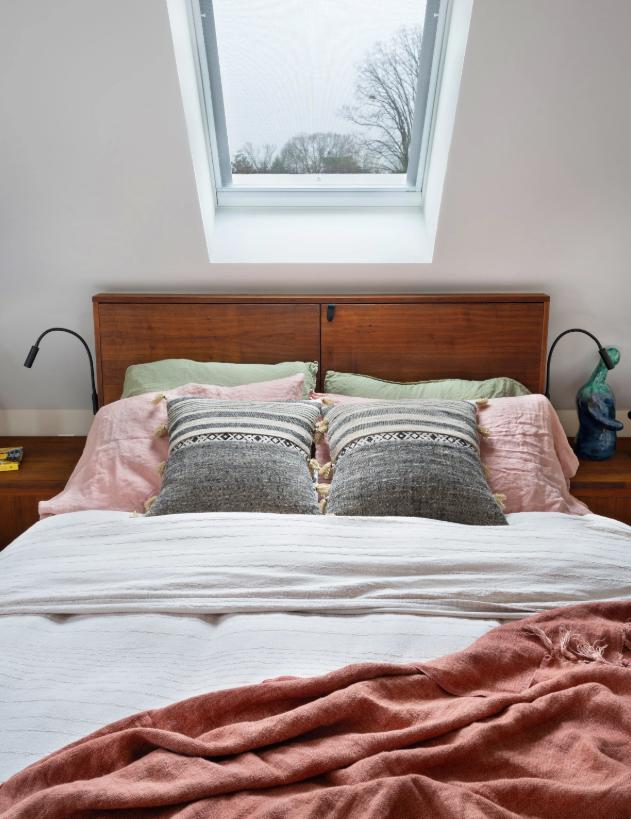
If your home looks good but does not quite feel right, texture may be the missing layer.
If you are ready for a space that feels as good as it looks, I would love to help you create it. Reach out to start the conversation and see what thoughtful, layered design can do for your home.